
Master the ultimate chicken cacciatore recipe with Angela’s easy guide. Discover how to create this rustic Italian hunter’s stew using simple ingredients like bone-in chicken and fresh herbs. Perfect for busy families seeking a hearty, one-pot dinner that tastes like a vacation in Tuscany.

Hi there! I’m Angela. Living here in sunny Florida, I spend a lot of time chasing my three kids around. But when the sun starts to set, there is nothing I love more than the aroma of a slow-simmering meal filling the house.
Have you ever had one of those days where you just want a hug in a bowl? That is exactly what this chicken cacciatore recipe feels like. “Cacciatore” means “hunter” in Italian, and this dish was traditionally prepared “hunter-style” with whatever was fresh and available.
It’s rustic, it’s humble, and it’s incredibly forgiving. While my family often begs for a cheesy marry me chicken pasta bake on busy weeknights, this cacciatore is what I turn to when I want something a bit more traditional. Whether you are a seasoned pro or just starting your cooking journey, this dish will make you feel like a superstar. Let’s get our aprons on and make some magic happen, shall we?
Table of contents
The Essentials for Your Chicken Cacciatore Recipe
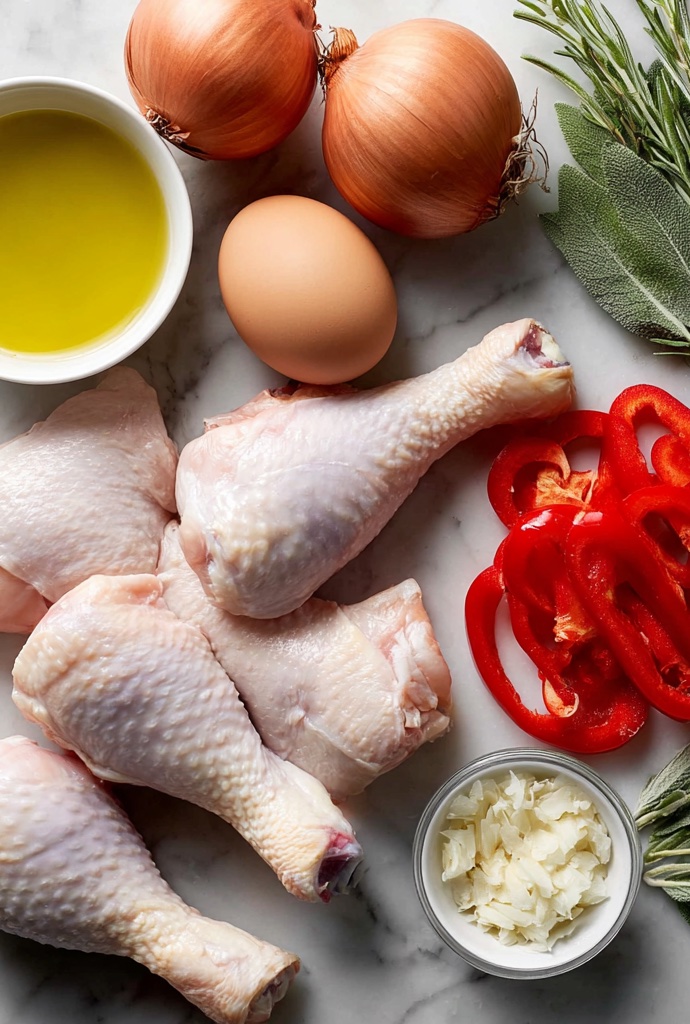
To get that authentic, deep flavor, we need to start with high-quality components. Here is what you’ll need to gather from your pantry and the local market:
- Chicken: Use 3 to 4 pounds of bone-in, skin-on thighs and drumsticks. The bone adds so much more flavor to the sauce than a plain breast ever could.
- Extra-Virgin Olive Oil: This is our foundation for browning.
- Aromatics: One medium yellow onion and five cloves of garlic. Don’t be shy with the garlic; it’s the heart of the dish!
- Red Bell Pepper: This adds a lovely sweetness that balances the acidity of the tomatoes.
- Tomatoes: A 28-ounce can of whole peeled tomatoes. I like to crush them by hand for a more rustic texture.
- Herbs: Fresh rosemary, sage, or thyme. These earthy notes make the dish feel truly “hunter-style.”
Fun Twists and Substitutions
One of the things I love about cooking at 50 is knowing that a recipe is just a map, not a set of golden rules. Feel free to play around!
You can use a splash of chicken stock with a teaspoon of balsamic vinegar for that necessary tang.
If your family prefers a creamy, white sauce over this tomato-based version, you might want to try my favorite chicken fettuccine alfredo next time. But for today, we are sticking with these bright, Mediterranean flavors!
Want to add more bulk? Many of my friends love adding sliced mushrooms or salty capers. Mushrooms soak up the tomato juices like little sponges.
If your kids aren’t fans of bell peppers, try swapping them for thinly sliced carrots. They provide a similar sweetness but a different texture.
For a spicy kick, a pinch of red pepper flakes goes a long way. It warms the back of the throat without being overwhelming.
Lastly, if you’re out of fresh herbs, dried oregano is a classic Italian pantry staple that works beautifully in a pinch.
Expert Tips for the Best Recipe
After years of feeding a family of five, I’ve picked up a few tricks to make this chicken cacciatore recipe turn out perfectly every single time.
First, never skip the browning step. I know it’s tempting to just throw everything in the pot, but browning the skin creates “fond.” That’s the fancy word for the brown bits stuck to the pan. That is where the soul of the dish lives!
Don’t forget to deglaze! Much like when you are making a crispy chicken parmesan recipe, the texture and the development of the sauce are what take the dish from ‘good’ to ‘restaurant-quality’.
Second, pat your chicken dry with paper towels before seasoning. If the chicken is wet, it will steam instead of sear. We want a golden crust, not a grey exterior.
Third, be patient with your onions and peppers. Let them get nice and soft. This creates a sweet base that mellows out the canned tomatoes.
Also, try to use a Dutch oven if you have one. The heavy lid and thick walls distribute heat evenly, which is vital for a good braise.
Finally, let the dish rest for five minutes after it comes out of the oven. This allows the juices in the chicken to redistribute, making every bite succulent and tender.
Step-by-Step Instructions
- Start by preheating your oven to 350°F. Season your chicken generously with salt and pepper.
- Heat your olive oil in a large pan over medium-high heat. Brown the chicken in batches so the pan isn’t crowded.
- Once the chicken is golden, move it to a plate. In the same pan, toss in your onions, peppers, and garlic.
- Sauté the vegetables for about 8 minutes. You want them soft and fragrant.
- Add the crushed tomatoes and their juices.
- Stir in your rosemary, sage, or thyme and the bay leaf. Bring it all to a gentle simmer.
- Nestle the chicken back into the sauce, skin-side up. Make sure they are cozy in there!
- Place the pan in the oven, uncovered. Bake for about 30 minutes until the chicken is cooked through.
- Remove the herb sprigs and the bay leaf before serving.
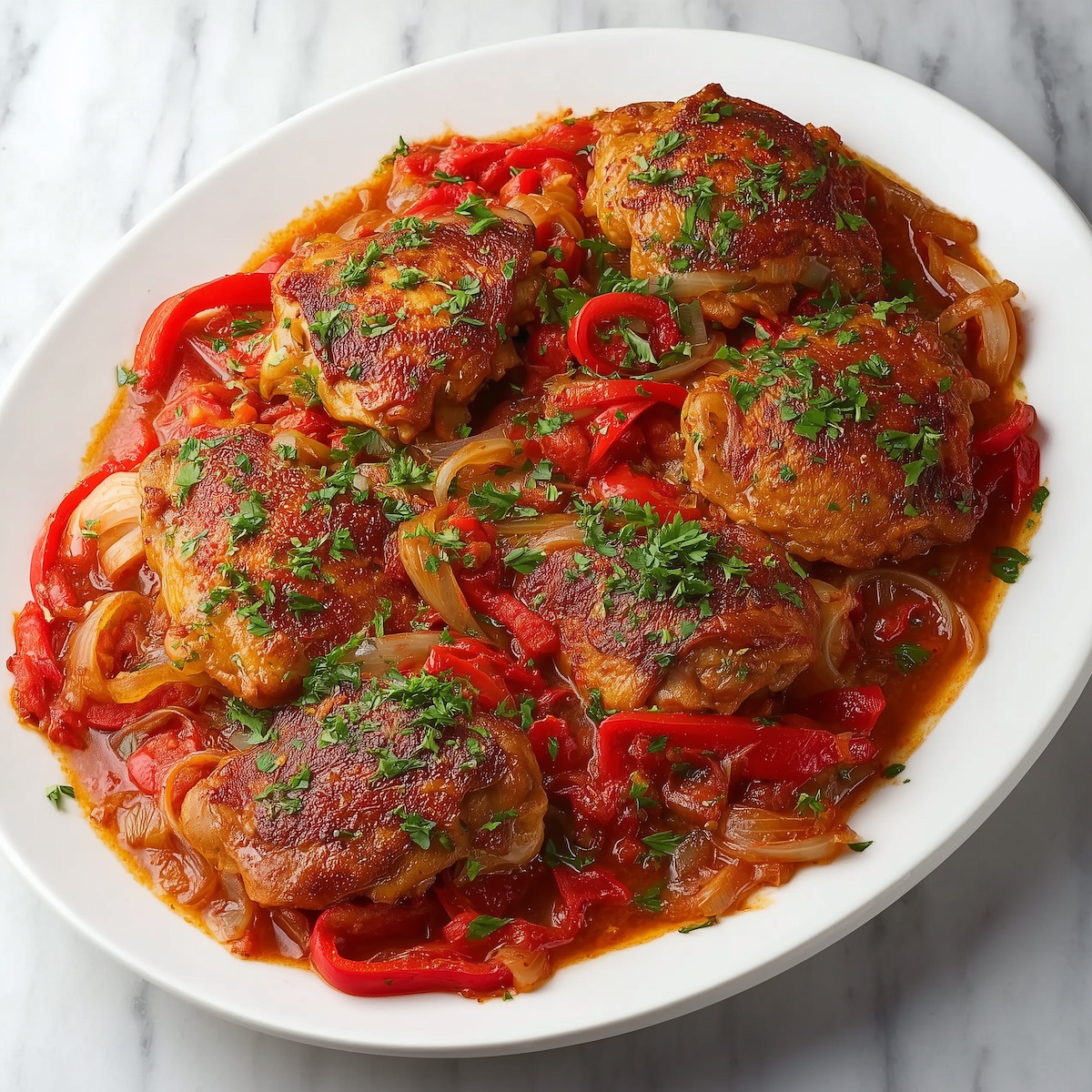
- Garnish with fresh parsley for a pop of color and a hit of freshness.
Your Guide to Perfect Pairings
Now that your kitchen smells like a dream, what should you serve with your chicken cacciatore recipe?
In my house, we love something that can soak up that incredible tomato sauce. A bed of creamy polenta is a very traditional choice.
If you prefer pasta, go for something wide like pappardelle or even a simple penne. The ridges on the pasta are great for catching the bits of onion and garlic.
For a lighter option, a simple green salad with a lemon vinaigrette provides a nice contrast to the rich, savory stew.
And of course, you cannot forget a loaf of crusty bread. You’ll want to wipe your plate clean, trust me!
FAQs About Chicken Cacciatore Recipe
Can I make this in a slow cooker?
You certainly can! Just brown the chicken and sauté the veggies first, then toss everything into the crockpot on low for 6 hours. It’s a great set-it-and-forget-it meal, similar to my easy crockpot chicken tortellini.
Is it okay to use chicken breasts?
You can, but be careful. Breasts dry out much faster than thighs. I’d recommend reducing the oven time slightly if you go this route.
Do I have to peel the tomatoes?
Nope! Using canned whole peeled tomatoes saves a ton of time. Just crush them with your hands or a fork.
Conclusion
There you have it, my favorite chicken cacciatore recipe. It’s more than just a meal; it’s a way to slow down and connect with the people you love.
Whether you’re serving this to your kids on a Tuesday or hosting a dinner party for friends, it’s a dish that always brings smiles to the table. Cooking shouldn’t be stressful, it should be an adventure!
I hope this recipe finds a permanent spot in your family’s rotation, just like it has in mine. There is something so satisfying about a one-pot meal that looks this elegant.
Thank you so much for letting me share a piece of my kitchen with you. Happy cooking, and enjoy every single bite!

Authentic Chicken Cacciatore Recipe
Equipment
- Dutch Oven
- Platter
Ingredients
Chicken
- 4 pounds bone-in, skin-on chicken legs, thighs and drumsticks split
- 3 tablespoons extra-virgin olive oil
Vegetables & Herbs
- 1 medium yellow onion thinly sliced
- 1 large red bell pepper stemmed, seeded, and thinly sliced
- 5 medium cloves garlic thinly sliced
- 2 sprigs fresh rosemary, sage, or thyme
- 1 bay leaf
Liquids
- 28 ounce can peeled whole tomatoes drained and crushed by hand
Instructions
- Preheat your oven to 350°F (180°C). Thoroughly season the chicken pieces all over with kosher salt and freshly ground black pepper.
- Heat the olive oil in a Dutch oven over medium-high heat. Brown chicken pieces in batches until golden on all sides, about 6 minutes per side. Transfer to a platter.
- In the same pot, sauté onion, bell pepper, and garlic until soft and fragrant, about 8 minutes, scraping up browned bits.
- Add crushed tomatoes, fresh herb sprigs, and bay leaf. Bring to a simmer and season.
- Nestle chicken back into the sauce. Bake uncovered in the oven for about 30 minutes until chicken is tender and sauce has thickened.
- Remove herb sprigs and bay leaf. Garnish with minced flat-leaf parsley and serve immediately.